
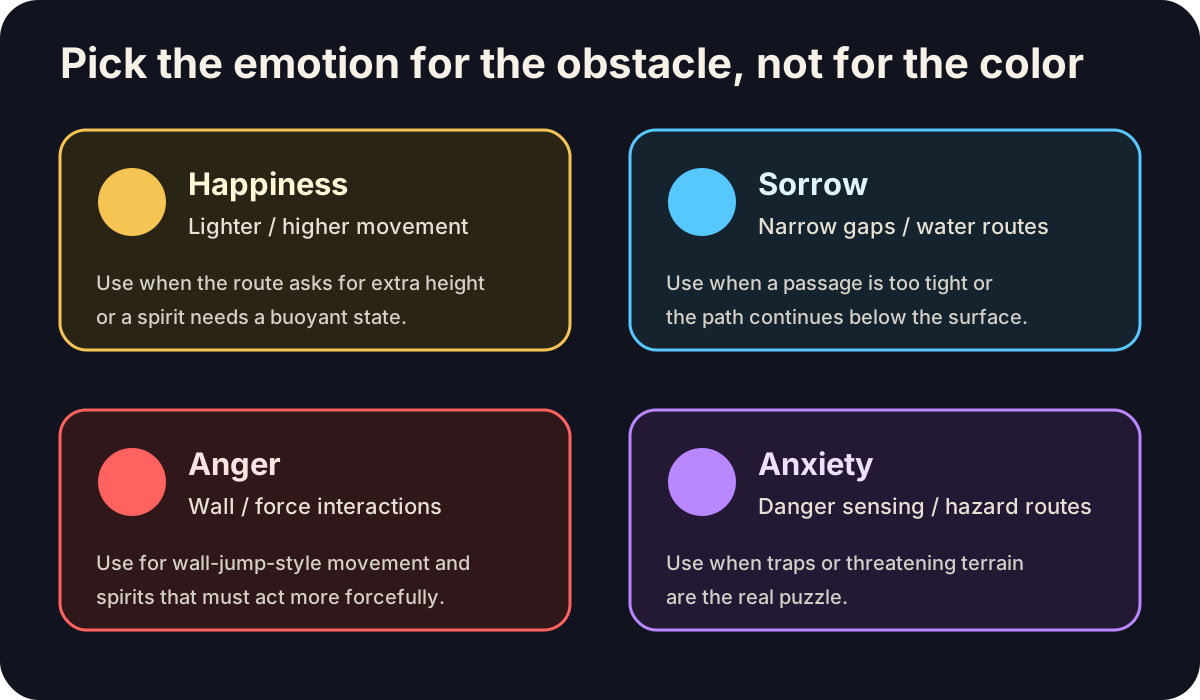
Happiness: height and buoyant movement
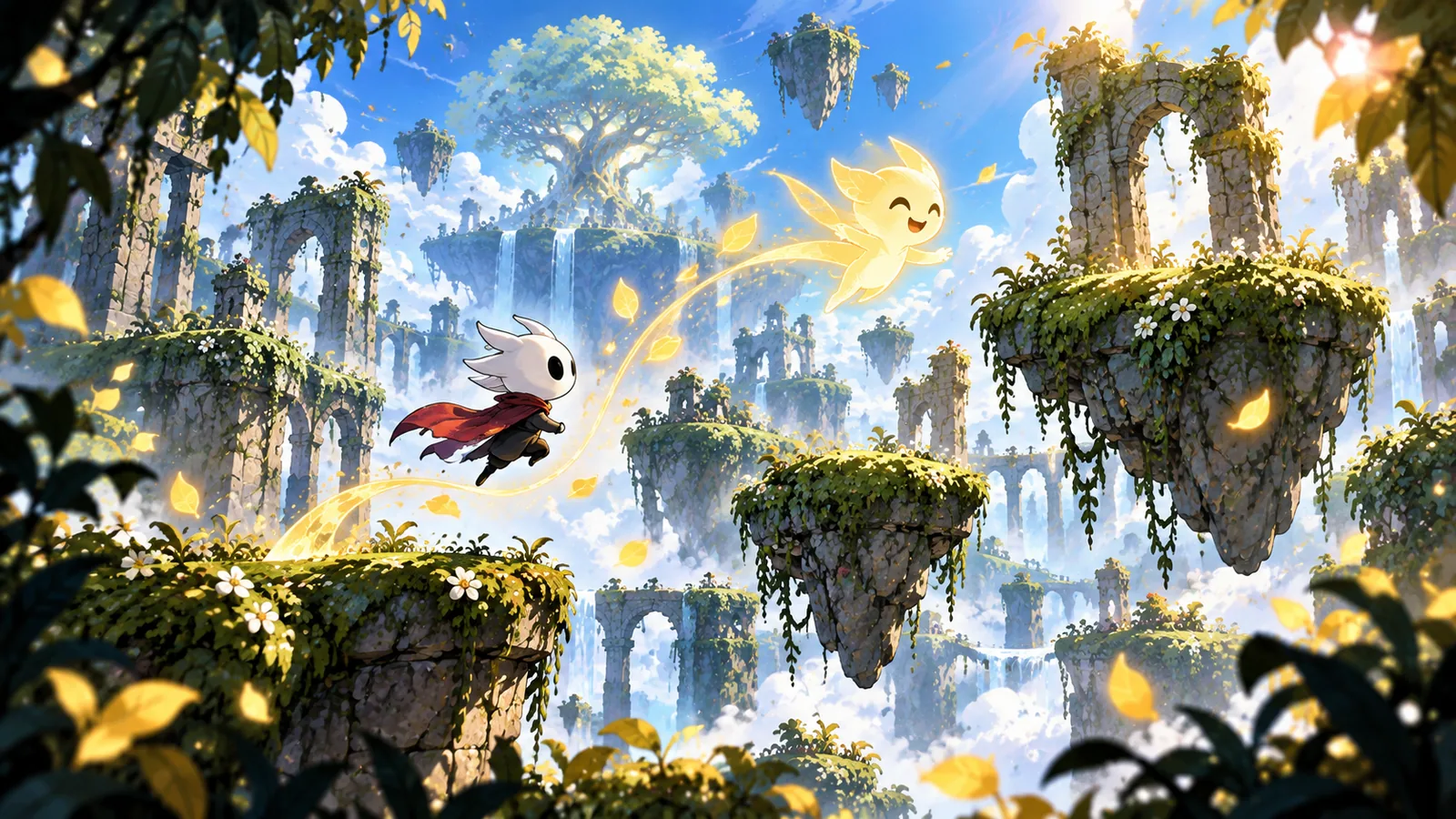
Current tutorial footage associates Happiness with feeling lighter and jumping higher. When a ledge is just outside normal reach, this is the first state to test. It also changes some spirits into a more helpful or energetic behavior, so do not automatically keep it on Mono.
Failure pattern: you use Happiness to clear an easy jump, then the next creature needed that state to become a launcher or helper. Before consuming a state source, scan one screen ahead.
Sorrow: narrow gaps and water routes

Sorrow is described in current footage as letting Mono melt or squeeze through narrow gaps. Later demo sequences also place it around water traversal. If a route appears to disappear into a tiny opening or the obvious continuation is below the surface, Sorrow is the most evidence-backed first test.
Failure pattern: reaching a water-heavy sequence after swapping to another state and discovering there is no convenient Sorrow source nearby. If the environment is telegraphing water, preserve Sorrow until you confirm you do not need it.
Anger: walls and forceful interactions
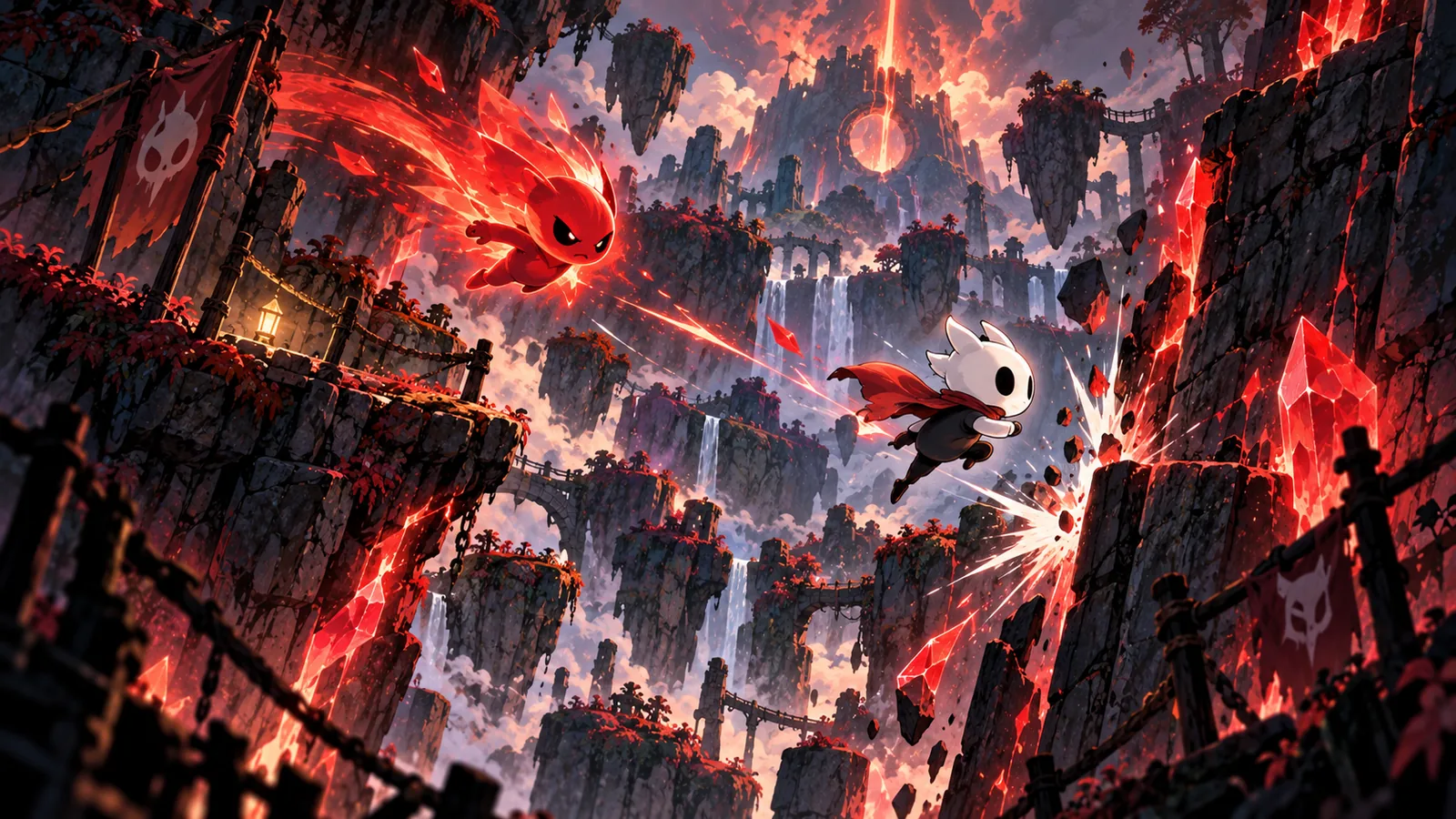
Anger is tied to wall-jump-style movement in the tutorial material and can make spirits behave more aggressively or energetically. Think of it as the state for interactions that need force, rebound or a changed movement pattern rather than simple extra height.
Failure pattern: trying to solve a wall sequence with Happiness because the goal is “up.” The question is not the direction of travel; it is the movement mechanic the wall expects.
Anxiety: danger sensing and hostile terrain
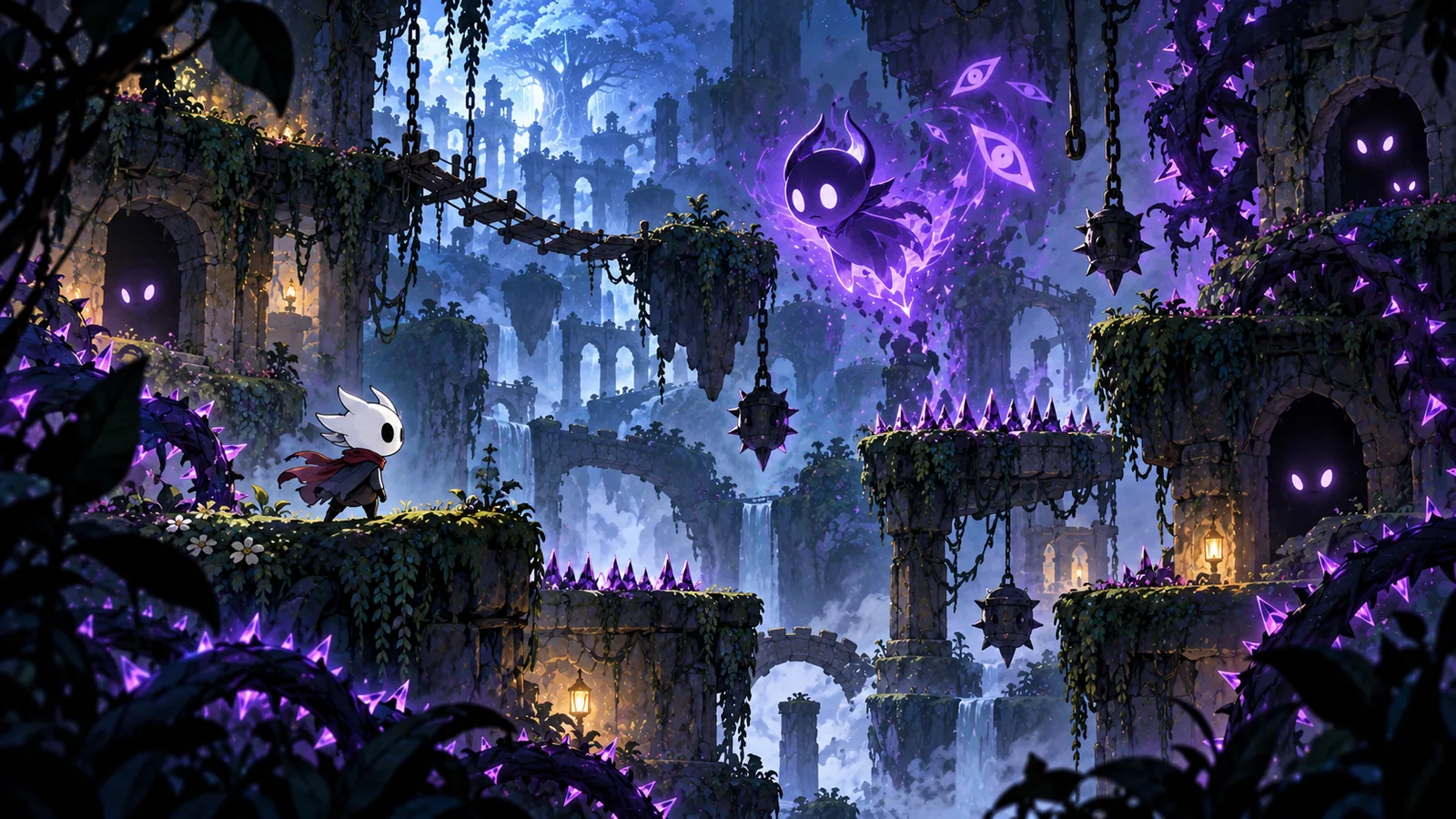
The in-game tutorial shown in current footage says Anxiety can sense danger and spot traps in advance. Creators also use it around threatening terrain. If spikes, hidden danger or an unsafe corridor are the real problem, Anxiety is more useful than a raw mobility state.
Failure pattern: dismissing Anxiety because it does not look as powerful as a higher jump. Information is the power. It helps identify the safe sequence before execution.
The real puzzle: keep the state or transfer it?
The official full-game description explicitly says Mono’s powers resonate with inhabitants and affect their behavior. In the demo, that means an emotion can solve a room indirectly. A spirit may block you, bite you, carry you, bounce you or open a route depending on its state.
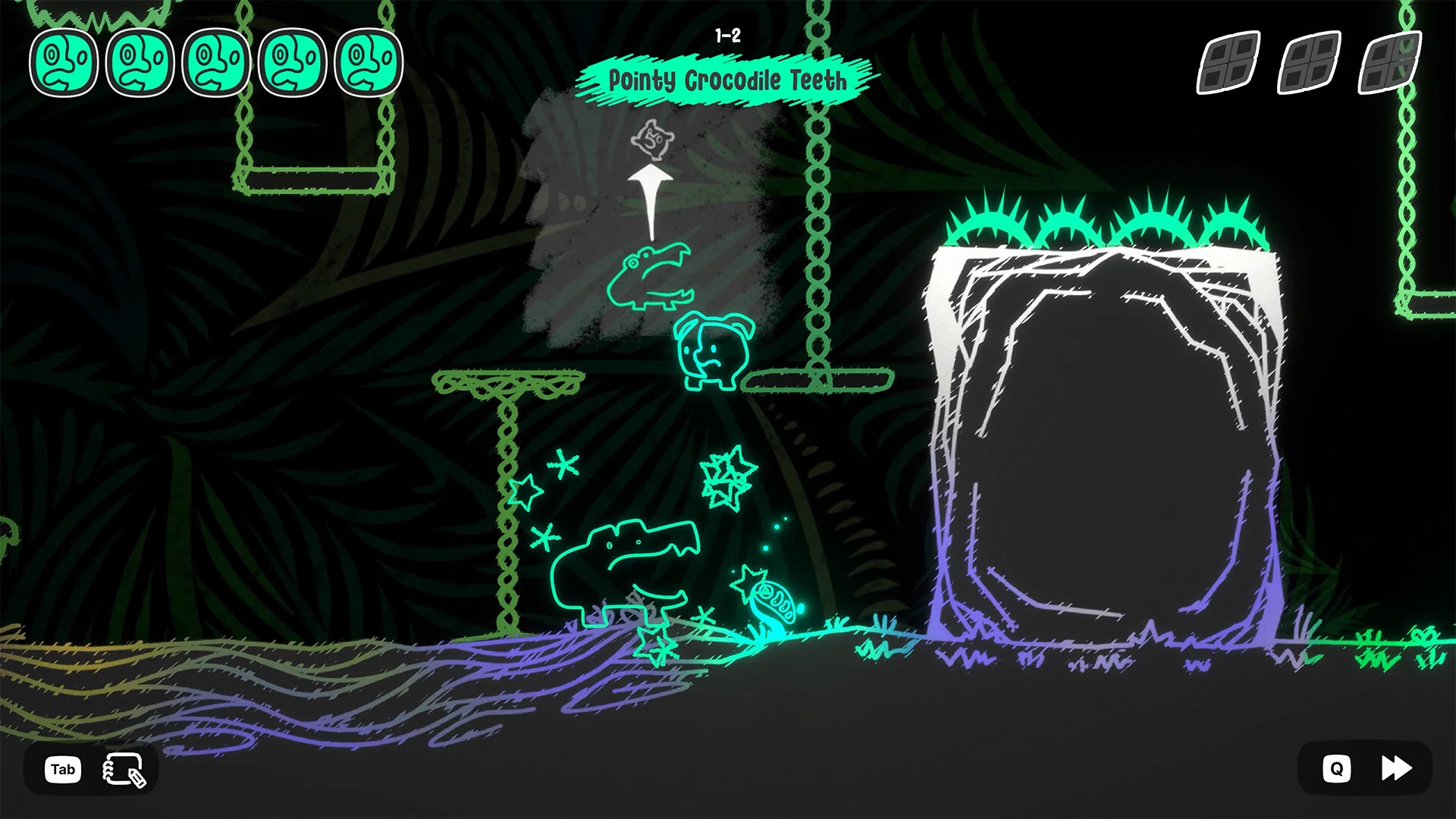
When the correct color does not help on Mono, stop repeating the same jump. Look for a nearby spirit, plant or carrier that can receive the emotion. This single habit turns several “precision platforming” moments back into readable logic puzzles.
Fast decision tree
Can’t reach it? Test Happiness → if the gap depends on a creature, transfer Happiness instead.
Can’t fit / route goes underwater? Test Sorrow.
Wall or rebound interaction? Test Anger.
Spikes / traps / unsafe terrain? Test Anxiety.
Right state, no progress? Change the target, not the color.
A simple way to practice without memorizing everything
In the early jungle, deliberately say the job out loud before you take a state: “height,” “gap,” “wall,” or “danger.” That sounds basic, but it separates the visual color from the mechanical purpose. After a few rooms, the pattern becomes automatic and you stop burning a useful emotion just because its source is nearby.